Fencing off a vast property doesn’t have to break the bank. This article guides homeowners through cost-effective fencing solutions tailored for large properties, addressing diverse needs and budgets. From understanding specific challenges to exploring budget-friendly materials and innovative design ideas, we offer practical tips for efficient installation and long-term maintenance strategies. Whether aiming to enhance security or create scenic boundaries, these insights ensure both functionality and affordability.
- Understanding Fencing Needs for Large Properties
- Exploring Budget-Friendly Fence Materials
- Creative Design Options to Save Costs
- Installation Tips for Cost Efficiency
- Long-Term Maintenance Strategies
Understanding Fencing Needs for Large Properties
Large properties present unique fencing challenges. Beyond simply enclosing space, owners often consider security, privacy, aesthetic appeal, and maintenance when selecting fences. The diverse landscape of expansive grounds can necessitate specialized solutions—from rugged, durable materials to custom designs that complement the property’s natural beauty or architectural style.
Moreover, large properties may require fences that accommodate specific activities like livestock containment, recreational use, or boundary demarcation. Understanding these multifaceted needs is essential for selecting cost-effective fencing solutions that offer both functionality and long-term value.
Exploring Budget-Friendly Fence Materials
When it comes to fencing large properties, cost-effectiveness is a primary concern for many homeowners and property managers. One way to achieve this is by exploring budget-friendly fence materials that offer both quality and longevity. Wooden posts and rails, for instance, are traditional options known for their durability and aesthetic appeal. While initially more expensive than some alternatives, wood can be relatively affordable if you opt for treated or recycled varieties, ensuring it withstands the elements for years to come.
Furthermore, vinyl fencing has gained popularity as a cost-effective solution. This material is low maintenance, resistant to rot and rust, and comes in various styles to suit different property needs. Vinyl’s longevity means fewer replacements over time, making it a smart investment. Additionally, chain link fences offer a more affordable option, especially for expansive areas, providing security without breaking the bank. These materials demonstrate that you can have a functional and attractive fence without compromising your budget.
Creative Design Options to Save Costs
When it comes to fencing large properties, creativity can be a powerful tool for reducing costs without compromising on quality or aesthetics. One innovative approach is to explore natural materials and organic designs. Instead of traditional wooden or metal fences, consider using locally sourced, sustainable materials like bamboo, reclaimed wood, or even living hedges. These options not only offer cost savings but also enhance the property’s environmental appeal and provide a unique visual interest.
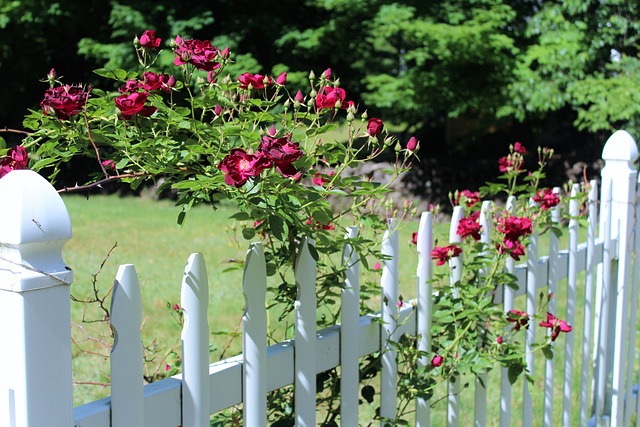
Another cost-saving strategy is to get creative with the layout. Instead of a solid fence, opt for a semi-permeable design using shorter picket fences, latticework, or even wire mesh interspersed with planting beds or natural barriers like rocks or boulders. This allows for better airflow and light penetration while still providing privacy and security. Customized designs that incorporate existing features on the property, such as trees, rock formations, or scenic views, can also reduce material costs and create a more integrated and visually appealing barrier.
Installation Tips for Cost Efficiency
When installing fencing on a large property, cost-efficiency can be achieved through careful planning and execution. One key tip is to consider the terrain. If your property has uneven or hilly areas, opt for flexible fencing materials like vinyl or chain link, which are less prone to damage from rough terrain. This prevents unnecessary repairs or replacements down the line.
Additionally, grouping similar fence sections together can streamline the installation process and reduce labor costs. For instance, installing continuous segments of fencing rather than multiple short pieces saves on connecting hardware and time. You might also want to avoid custom designs, as they tend to be more expensive. Standardized posts and rails are readily available and often more affordable, offering a practical solution for large properties.
Long-Term Maintenance Strategies
When considering fencing for large properties, implementing long-term maintenance strategies can significantly extend the lifespan and preserve the integrity of your fence. Regular cleaning is essential to remove dirt, debris, and any organic buildup that could attract pests or weaken materials over time. A simple pressure wash and occasional brush will go a long way in keeping your fence looking its best.
Additionally, inspecting your fence for signs of damage, such as rot, rust, or breaks, should be a routine practice. Promptly addressing these issues can prevent small problems from escalating into major repairs. Applying protective coatings, stains, or sealers can further enhance durability, especially in regions with harsh weather conditions. These measures not only ensure the structural soundness of your fence but also maintain its aesthetic appeal for years to come.